Attachment style is one way to understand why the same dating situation can feel calm to one person and threatening to another. It does not explain everything about you, and it should not be used as a fixed label. It is more useful as a map: a way to notice what you tend to do when closeness, uncertainty, or distance show up.
In modern dating, those reactions often appear quickly. A delayed reply, a vague profile, a sudden burst of attention, or a slow fade can activate old patterns before you have enough information to judge the connection clearly.
Your Attachment Blueprint
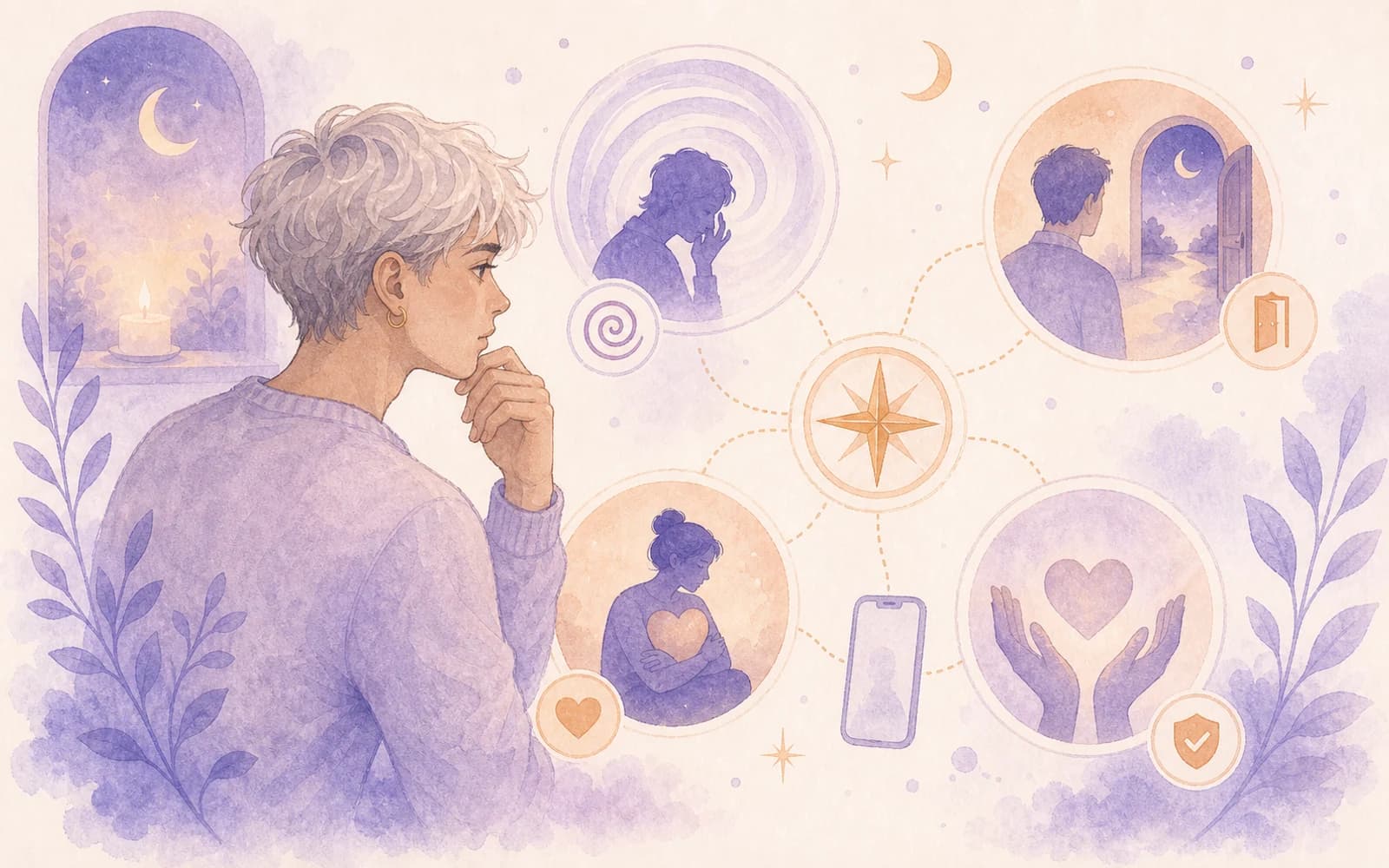
Your attachment style shapes how you connect, communicate, and respond in relationships, often before you consciously name what is happening. The four common patterns are secure, anxious, avoidant, and disorganized. Most people are not a perfect match for one category in every relationship, but one pattern often becomes stronger under stress.
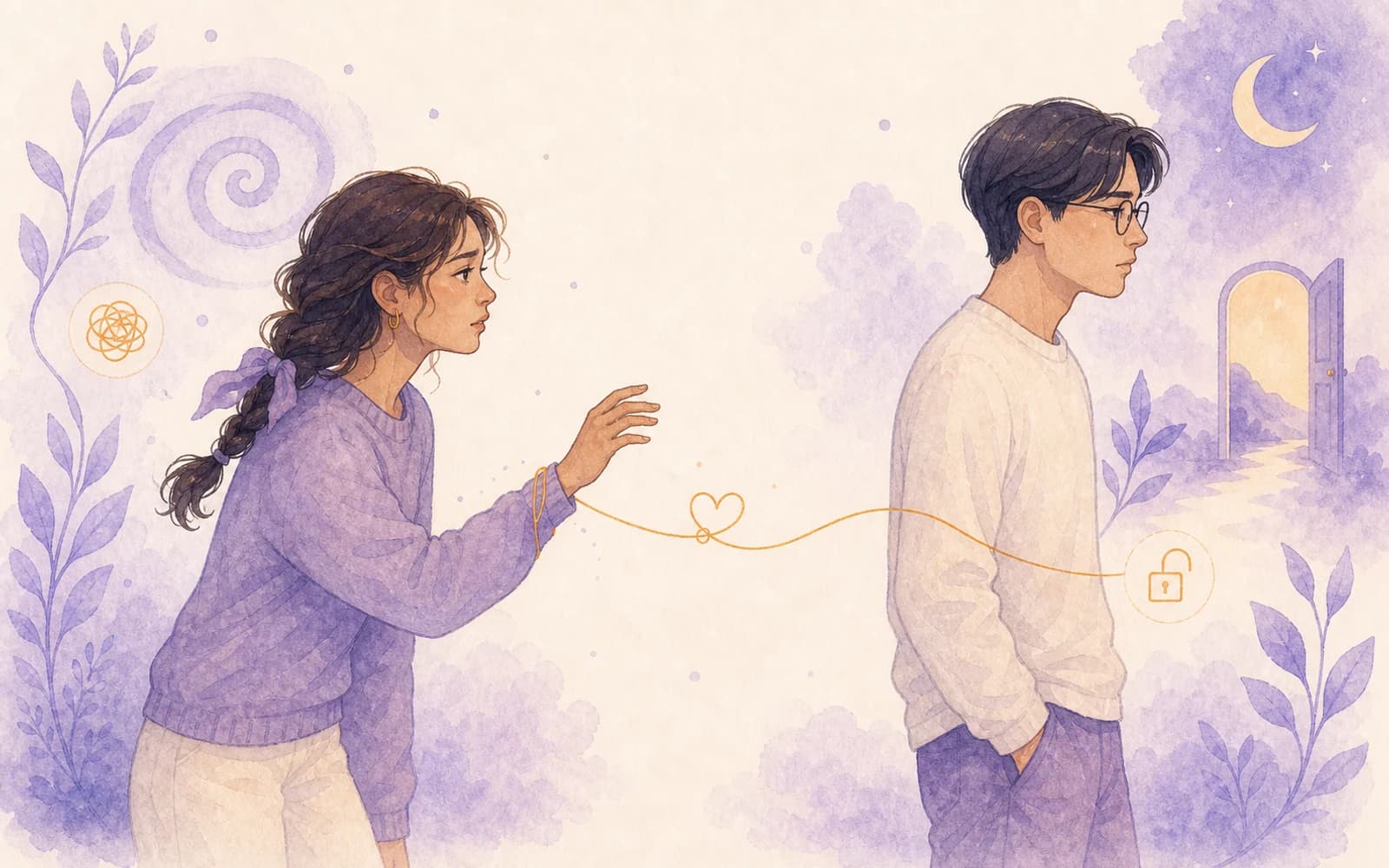
Secure attachment tends to feel comfortable with closeness and space. Anxious attachment often looks for reassurance when connection feels uncertain. Avoidant attachment may protect independence by pulling back from emotional intensity. Disorganized attachment can move between wanting closeness and fearing it.
The broad estimates often used in attachment writing place secure attachment around 60% of people, anxious around 20%, avoidant around 15%, and disorganized around 5%. Those numbers are useful as context, not as a way to sort yourself too quickly.
Patterns in Modern Love
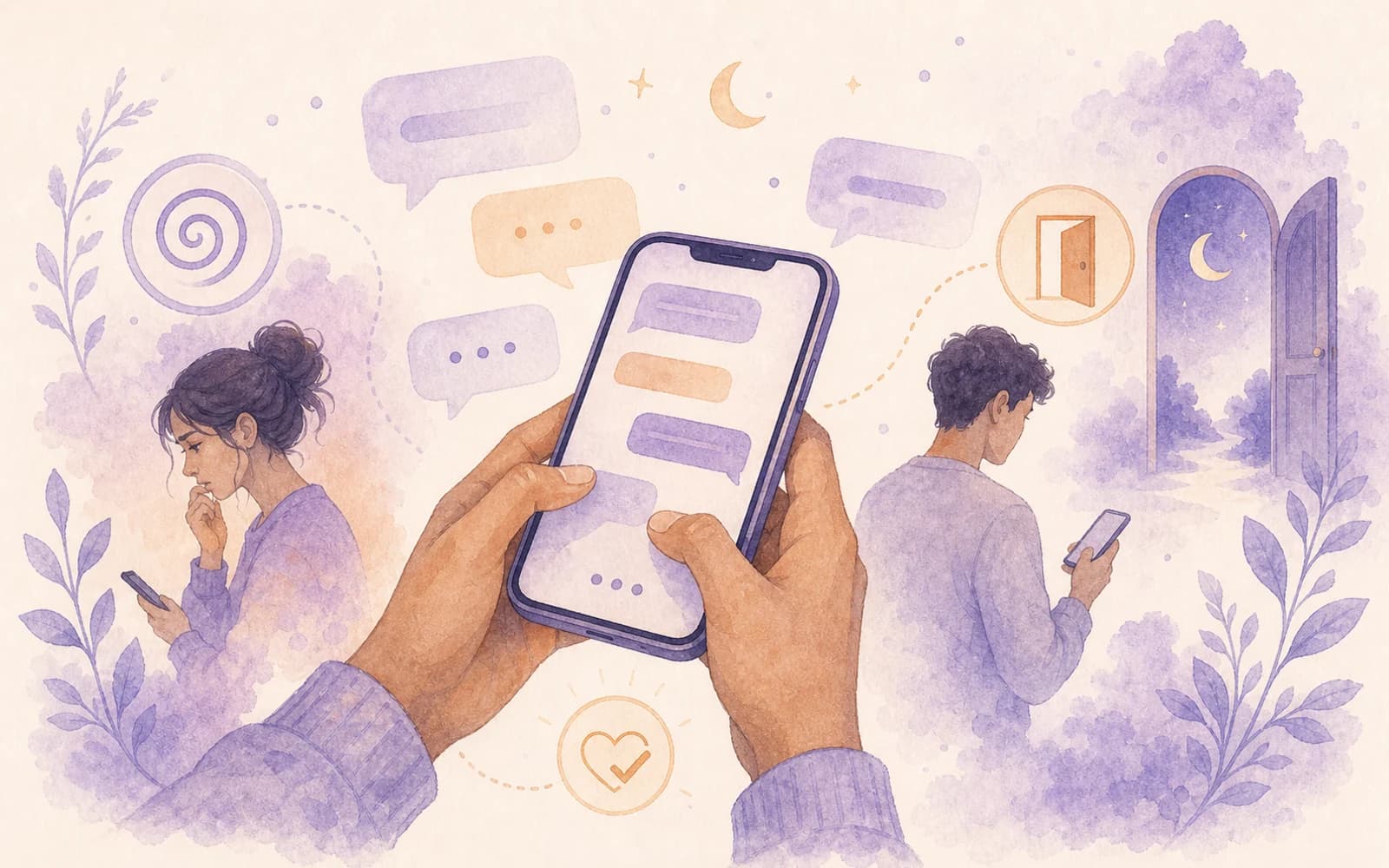
Modern dating magnifies the attachment patterns we carry. The constant connectivity and immediacy of dating apps can intensify these responses, making it harder to pause and reflect, the anxious mind racing over unanswered texts; the avoidant heart pulling back from intensity. These patterns play out in real time, often before we even recognize them.
For an anxious dater, a slow reply can feel like evidence of rejection. For an avoidant dater, a warm and consistent match can feel like pressure. For someone with a disorganized pattern, early dating can feel both exciting and unsafe. Secure dating is not emotionless; it is the ability to notice discomfort without letting it run the whole interaction.
On dating apps, this can look practical rather than dramatic: anxious patterns may show up as over-editing a profile or seeking constant validation; avoidant patterns as minimal bios and guarded replies; disorganized patterns as frequent profile changes or inconsistent communication; secure patterns as steadier pacing and clearer engagement.
Growing Into Security
Attachment isn't destiny. We can develop earned security by cultivating self-awareness, emotional regulation, and compassionate communication. Each style has unique strengths and growth edges that, when nurtured, lead to healthier, more fulfilling relationships.
Growth usually starts with a small pause. Instead of immediately sending another message, disappearing, or testing the other person, you notice the urge and ask what it is trying to protect. That pause creates room for a more secure response.
For anxious patterns, the growth focus is self-soothing and direct communication. For avoidant patterns, it is naming feelings before pulling away. For disorganized patterns, trauma-informed support and grounding practices can help reduce the push-pull cycle.
The Path to Secure Love
Your attachment style is a starting point, not a verdict. It can help you understand why certain patterns keep repeating, but the goal is not to diagnose every text or date. The goal is to become more honest about what you feel, more direct about what you need, and more able to choose people whose behavior is clear enough for trust to grow.