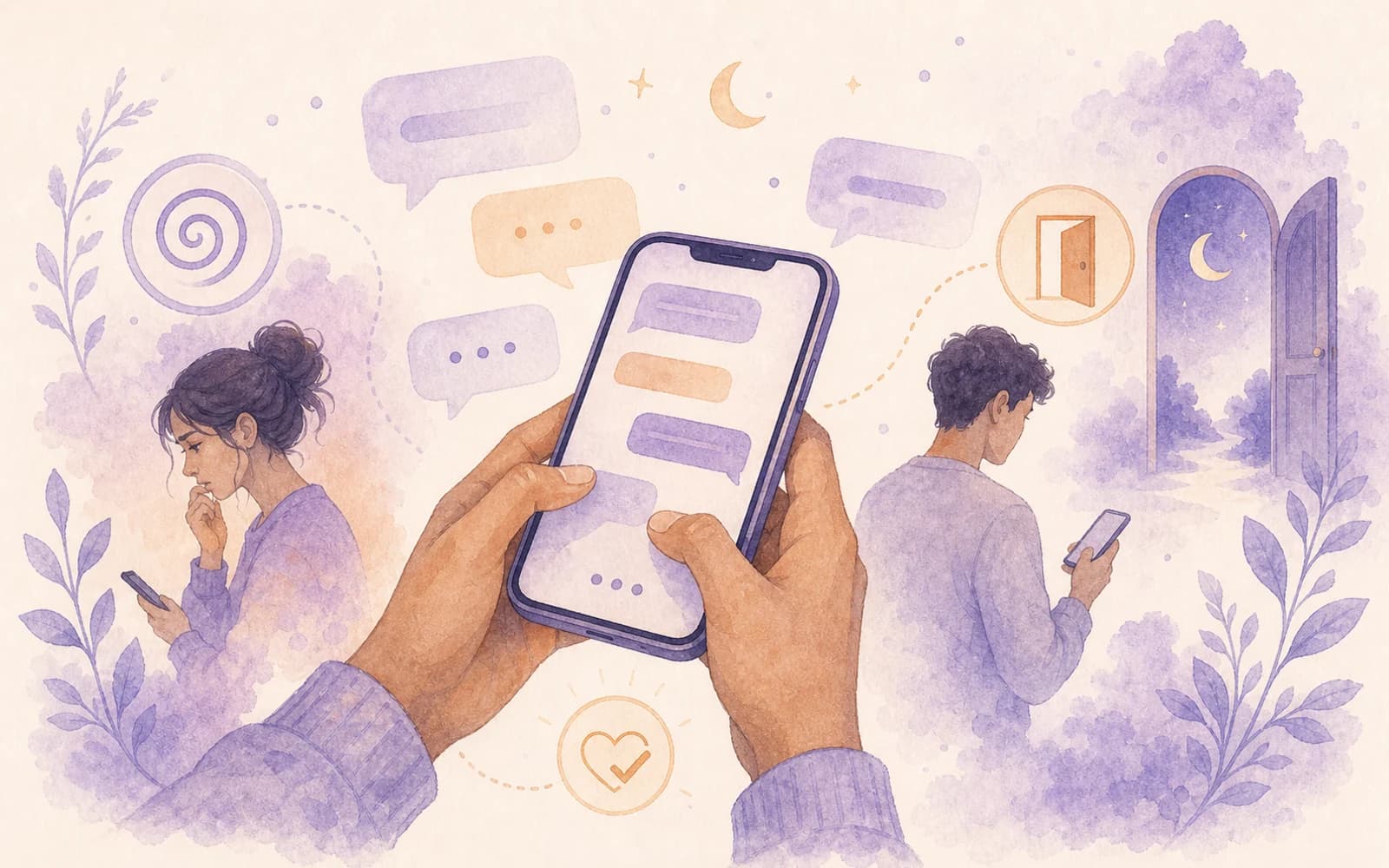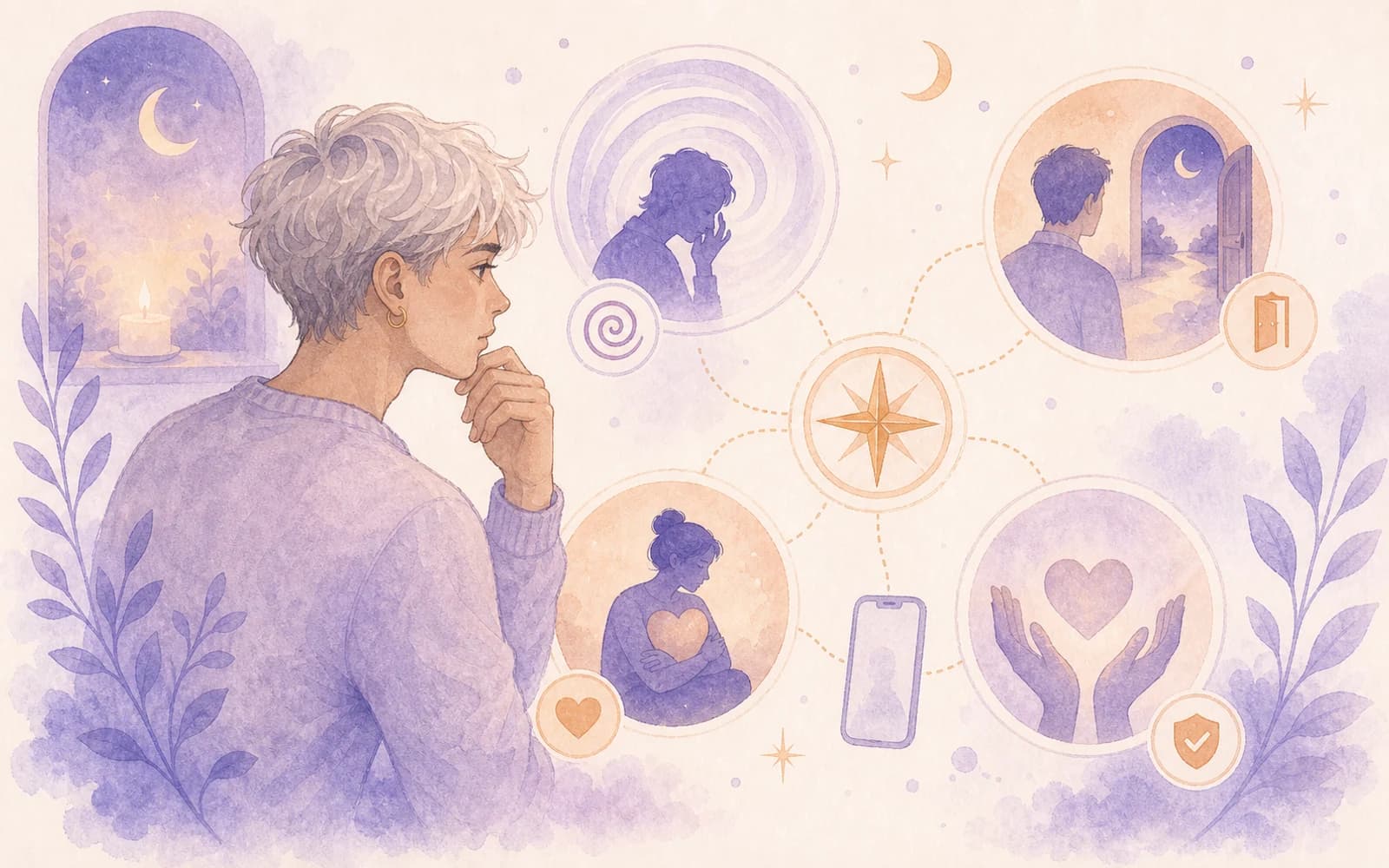
It's happening again. You're lying in bed at 2 AM, replaying every word of tonight's conversation, searching for clues. They said they needed "space to think", but what does that even mean? Your chest tightens as you resist the urge to text them one more time. Meanwhile, across town, they're probably sleeping soundly, completely unaware that you're drowning in the silence they created.
Sound familiar?
The Anxious-Avoidant Dynamic: When Opposites Collide
Anxious and avoidant attachment styles seem like they'd naturally repel each other. Anxious individuals fear abandonment, they crave closeness, seek constant reassurance, and interpret any distance as rejection. Avoidant people value independence and find too much intimacy suffocating, they need space to feel safe and withdraw when relationships get intense.
Yet research reveals something startling: these opposite styles are irresistibly drawn together. Studies found no anxious-anxious or avoidant-avoidant couples. Instead, anxious individuals consistently pair with avoidant partners, and vice versa.
Why You're Drawn to Your Opposite
The anxious-avoidant attraction isn't random, it's driven by powerful unconscious forces that make perfect sense when you understand the psychology beneath.
| What Anxious Partners See in Avoidant Ones | What Avoidant Partners See in Anxious Ones |
|---|---|
| Independence and self-reliance | Emotional expressiveness and warmth |
| A "challenge" that proves their worth if won | Someone who handles the messy feelings |
| Excitement from the chase and uncertainty | Passion and intensity (without the demands) |
| The fantasy of "earning" secure love | Connection without having to be vulnerable |
The Toxic Dance: Pursuer vs Distancer
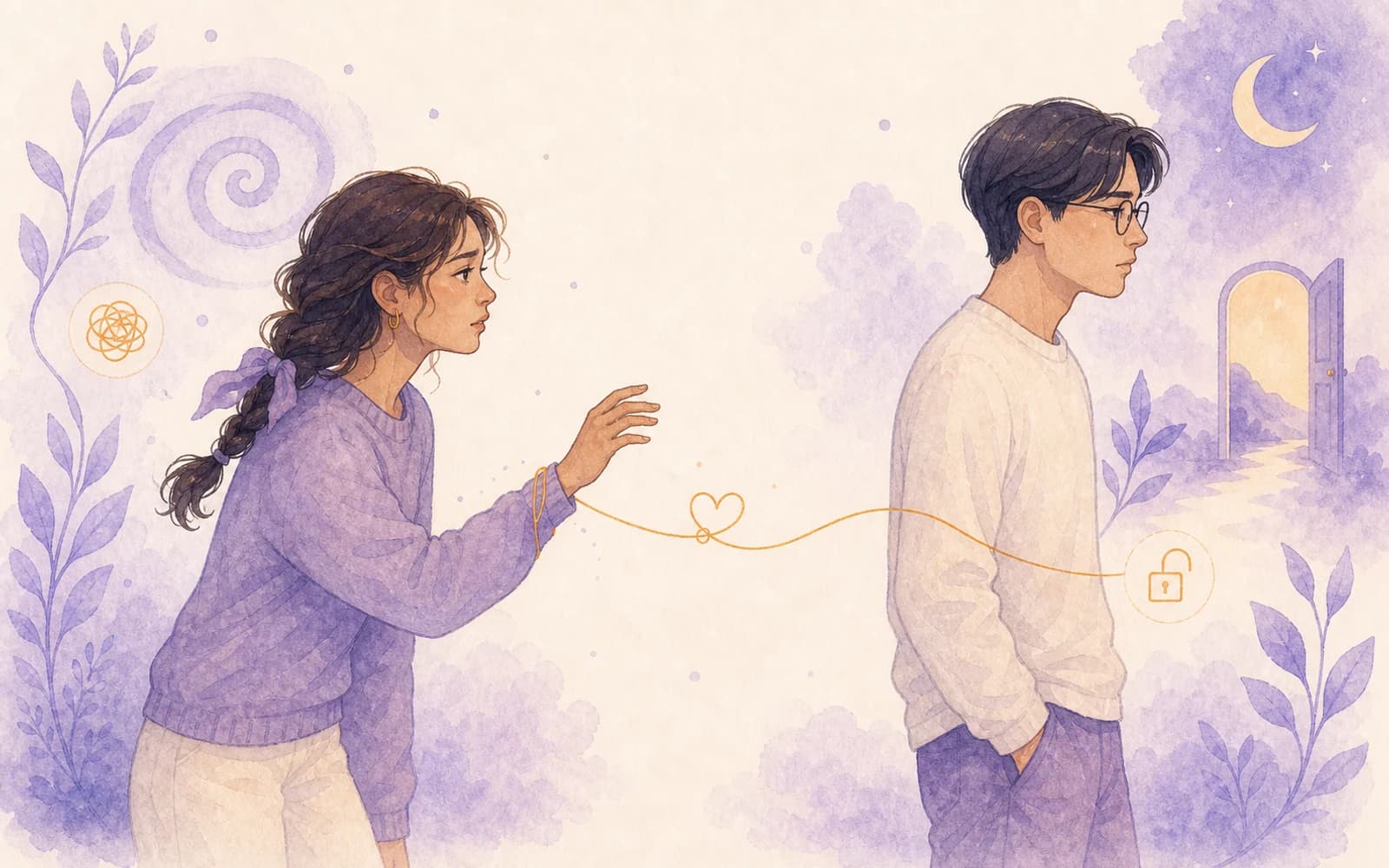
Once established, anxious-avoidant couples settle into the "pursuer-distancer dynamic", a destructive pattern where each partner's moves trigger the other's wounds.
Each partner's fear becomes self-fulfilling. The anxious partner's clingy behaviors push the avoidant partner away, confirming abandonment fears. The avoidant partner's distancing triggers abandonment fears, confirming engulfment fears.
Breaking the Anxious-Avoidant Cycle
The anxious-avoidant trap feels inescapable, but it's not. With awareness and conscious effort, both partners can learn to respond differently.
- Practice the pause: When panic rises, resist reaching out immediately. Take five breaths and ask: "Is this an emergency, or is my attachment system activated?"
- Challenge catastrophic thoughts: Instead of "They must be losing interest," try "They might be busy or need processing time."
- Develop your own life: Invest in friendships and goals independent of your partner.
For the avoidant partner, the work is learning to communicate patterns instead of disappearing: "I'm feeling overwhelmed and need space, but I care about us and I'll check back in tomorrow." It also means setting boundaries clearly rather than avoiding conversations, and noticing shutdown triggers so your partner can approach hard topics more effectively.
For the relationship itself, regular check-ins, appreciation practices, and professional support make change more concrete. Attachment-based couples therapy can help when the cycle feels too charged to interrupt on your own.
Choosing Security Over Familiarity
The anxious-avoidant trap feels like passionate love, all that intensity and drama. But true intimacy isn't found in chaos; it's found in the steady warmth of secure connection.
Breaking free requires choosing unfamiliar but healthy dynamics over familiar but painful ones. For anxious individuals, this means being attracted to consistently available partners, even without the addictive spark of uncertainty. For avoidant individuals, this means staying present during emotional moments instead of fleeing to distance.